
Galvanized square pipe (also called galvanized square tube or GI square hollow section) is one of the most widely traded steel products in global construction and infrastructure markets. For importers and distributors sourcing steel for building frameworks, fencing, agricultural structures, and industrial fabrication, understanding specifications, coatings, and standards is essential to making the right purchase decision.
This guide covers everything international buyers need to know: what galvanized square pipe is, how it’s made, size and thickness ranges, coating standards, applications, and answers to the most common sourcing questions.
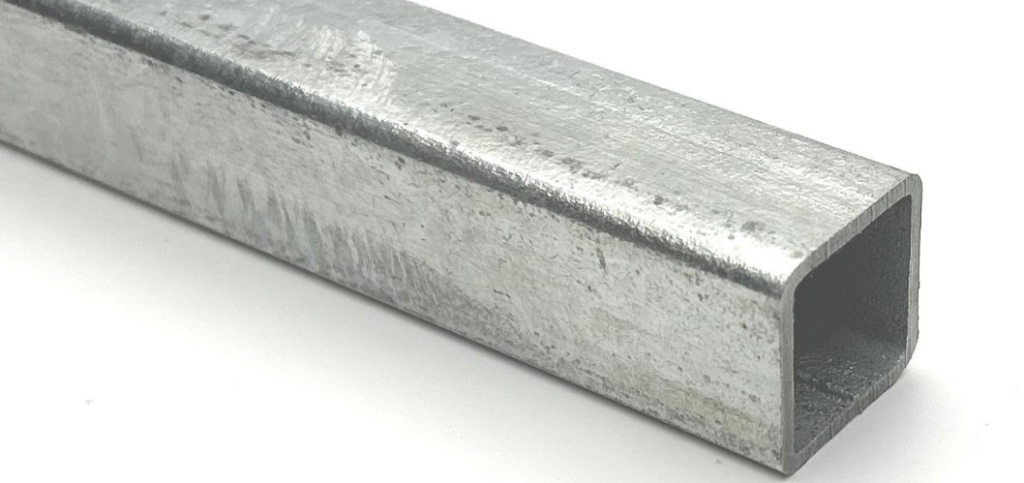
What Is Galvanized Square Pipe?
Galvanized square pipe is a hollow steel section with a square cross-section that has been coated with a layer of zinc to resist corrosion and rust. The base material is typically welded carbon steel (ERW or hot-rolled square tube), which is then passed through a galvanizing process — either hot-dip galvanizing or pre-galvanizing (also called in-line galvanizing) — to apply the protective zinc coating.
The zinc layer acts as a sacrificial barrier: it corrodes before the underlying steel does, extending the service life of the pipe significantly compared to uncoated black steel tube. This makes galvanized square pipe the preferred choice for outdoor structures, humid environments, and applications where maintenance access is limited.
Manufacturing Process
Galvanized square pipe is produced through one of two main routes:
1. Hot-Dip Galvanizing (Post-Galvanized) The square pipe is first formed and welded from steel strip, then fully immersed in a bath of molten zinc at around 450°C. This produces a thick, durable zinc coating (typically 275–600 g/m²) that penetrates into the weld seam and corners, offering superior long-term corrosion resistance. Hot-dip galvanized square pipe is generally recommended for outdoor and structural applications.
2. Pre-Galvanized (In-Line Galvanized) In this method, the steel strip is galvanized before being formed and welded into a square tube. This is faster and more cost-effective, producing a thinner, more uniform coating (typically 60–275 g/m²). However, the weld seam area loses some coating during welding, making pre-galvanized pipe better suited to indoor use, furniture framing, or lighter-duty applications.
Buyers should always confirm which galvanizing method a supplier uses, as it directly affects price, corrosion resistance, and appropriate end use.
Standard Specifications
| Specification | Range |
|---|---|
| Size (side length) | 15mm x 15mm – 400mm x 400mm |
| Wall thickness | 0.8mm – 12mm |
| Length | 6m, 9m, 12m, or custom cut lengths |
| Zinc coating weight | 60g/m² – 600g/m² |
| Standards | ASTM A500, ASTM A53, EN 10219, GB/T 3094, JIS G3466 |
| Steel grade | Q195, Q235, Q345, S235JR, SS400 |
| Surface finish | Plain galvanized, painted, or oiled |
| Packing | Bundled with steel strips, in bulk, or in export-standard bundles for container loading |
Actual available ranges vary by supplier and production capacity, so buyers should always request a supplier’s specific size chart and mill test certificate before ordering.
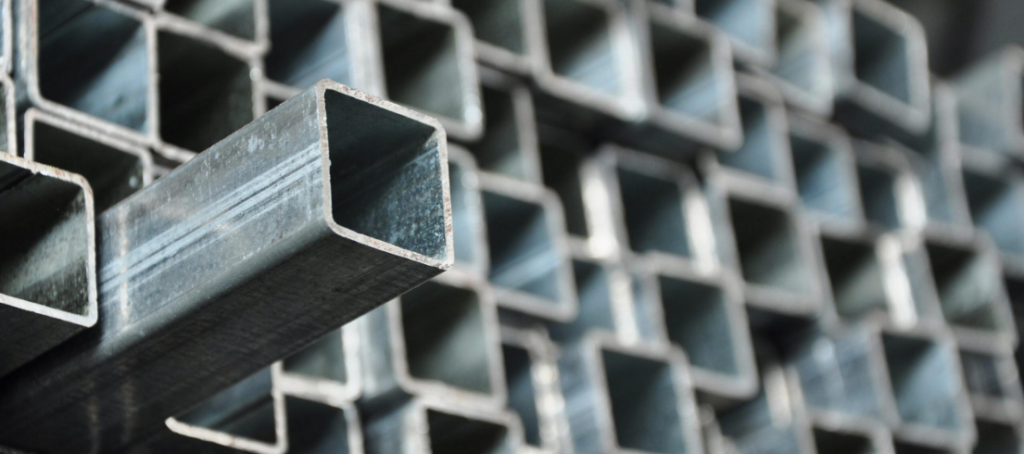
Common Applications
Galvanized square pipe is used across a wide range of industries due to its strength-to-weight ratio and corrosion resistance:
- Construction: structural framing, curtain wall support, scaffolding, and building frameworks
- Agriculture: greenhouse frames, livestock fencing, and irrigation structure supports
- Solar energy: mounting structures and racking systems for solar panel installations
- Fencing and guardrails: highway guardrails, security fencing, and perimeter structures
- Furniture and fabrication: industrial shelving, workbenches, and general metal fabrication
- Signage and lighting: street sign poles and lighting structure supports
Why Choose Galvanized Over Black Square Pipe?
| Factor | Galvanized Square Pipe | Black (Uncoated) Square Pipe |
|---|---|---|
| Corrosion resistance | High — zinc coating protects against rust | Low — prone to rust without additional coating |
| Maintenance | Minimal, especially hot-dip galvanized | Requires regular painting or coating |
| Service life outdoors | 20–50 years depending on environment | Significantly shorter without treatment |
| Initial cost | Higher | Lower |
| Best use case | Outdoor, humid, or corrosive environments | Indoor, dry, short-term use |
For most export markets — particularly regions with high humidity, coastal exposure, or seasonal rainfall — galvanized square pipe offers better long-term value despite a higher upfront cost.
Quality Certifications to Look For
When sourcing galvanized square pipe internationally, buyers should request the following documentation from suppliers:
- Mill Test Certificate (MTC) confirming chemical composition and mechanical properties
- ISO 9001 quality management certification
- SGS or third-party inspection reports for shipment verification
- Compliance with destination market standards (e.g., SANS for South Africa, NIS for Nigeria, KEBS for Kenya)
Reputable exporters should be able to provide these certificates without hesitation and support pre-shipment inspections.
How to Choose the Right Supplier
- Verify production capability — ask whether the supplier owns galvanizing lines or outsources coating, as this affects lead time and quality consistency.
- Request coating weight test reports — zinc coating thickness should be verifiable, not just stated.
- Confirm packing standards for export — proper bundling and moisture protection matter for long sea freight to African and Middle Eastern ports.
- Ask about MOQ and container loading capacity — a 20ft or 40ft container typically holds 20–28 tons of square pipe depending on size.
- Check lead times against your project schedule, especially for large infrastructure or agricultural project orders.
Frequently Asked Questions
What is the difference between hot-dip and pre-galvanized square pipe? Hot-dip galvanized pipe is coated after the tube is formed and welded, giving a thicker, more corrosion-resistant coating that also covers the weld seam. Pre-galvanized pipe is coated before forming, resulting in a thinner but more uniform coating, with the weld seam left less protected.
What sizes of galvanized square pipe are available for export? Standard export sizes typically range from 15mm x 15mm up to 400mm x 400mm, with wall thicknesses from 0.8mm to 12mm, though exact availability depends on the supplier’s production line.
How long does galvanized square pipe last outdoors? Depending on coating thickness and environmental conditions, hot-dip galvanized square pipe typically lasts 20 to 50 years in outdoor applications before significant corrosion occurs.
What standards apply to galvanized square pipe? Common international standards include ASTM A500 and A53 (USA), EN 10219 (Europe), GB/T 3094 (China), and JIS G3466 (Japan). Buyers should confirm which standard applies to their target market’s building codes.
How is galvanized square pipe packed for export shipping? It is typically bundled with steel straps, sometimes with corner protectors and moisture-resistant wrapping, then loaded into standard shipping containers for sea freight.
Sourcing Galvanized Square Pipe for Your Market
Whether you’re supplying a construction project, agricultural development, or solar installation, choosing the right coating type, specification, and certified supplier makes a measurable difference in product performance and total cost of ownership. Buyers in Africa and other developing markets in particular should prioritize hot-dip galvanized options for outdoor and structural use, given climate and maintenance considerations.
For detailed specification sheets, current pricing, or a sample quotation tailored to your project requirements, reach out to our export sales team directly.